
News
More Than a Passport: A Survivor’s Perspective on the Value of SurPass
10/07/2026
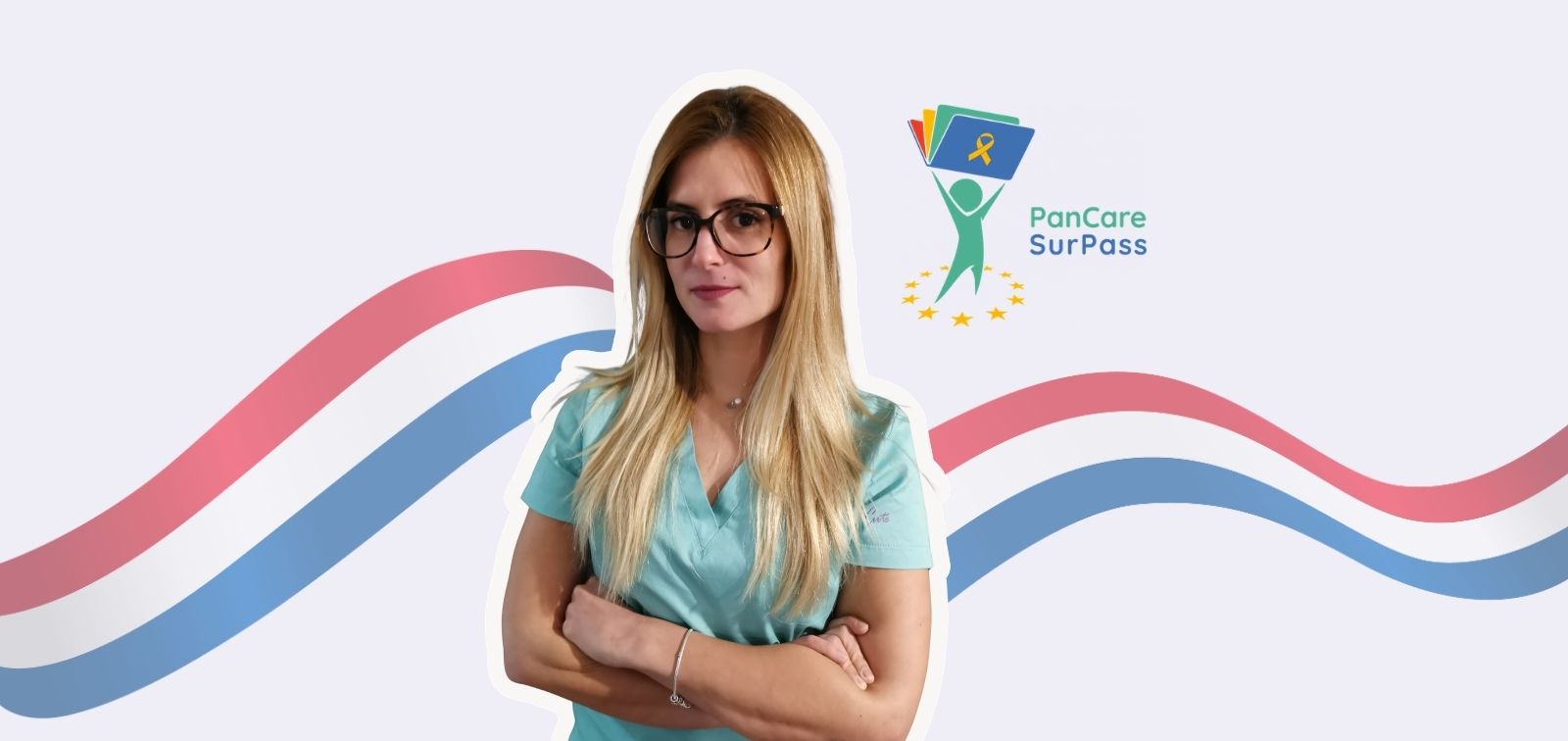
Childhood cancer survivor and paediatric oncologist Nuša shares how the SurPass supports lifelong follow-up, confidence and better survivorship care.
Following the launch of SurPass in Croatia, we share a personal perspective on what this milestone means for survivors. Dr. Jelena Roganović, pediatric hematologist and oncologist at Children’s Hospital Zagreb and the Croatian lead of the e-QuoL project, introduces the journey of one of her former patients—now a colleague.
“Watching Nuša’s journey from a 19-year-old student fighting Hodgkin lymphoma to the physician and colleague she is today has been one of the greatest privileges of my professional life. I could not be prouder of the remarkable and inspiring woman she has become. Stories like hers remind us that our work extends far beyond treatment. It is about giving young people the opportunity to build meaningful lives—and sometimes even to return as physicians caring for the next generation of children with cancer. In this personal reflection, Nuša shares why survivorship care matters and how the SurPass can help survivors navigate life after cancer with greater confidence.”
From Patient to Pediatric Oncologist: A Shared Journey
I am Nusa, a healthy 37-year-old woman, a mother, a wife, a daughter, a sister, a friend, a doctor. But once I was a 19-year-old girl fighting Hodgkin lymphoma. Lymphoma shaped not only my personal life, but my professional path as well, leading me to become a pediatrician, currently specializing in pediatric oncology and hematology. Therefore, in my everyday practice I care for children and adolescents facing similar diagnoses that once I faced myself.
Although I have now been in remission for 18 years, my experience has taught me that cancer is a lifelong companion; once the active treatment is over, a new chapter begins -survivorship. One of the greatest challenges for childhood, adolescent and young adult cancer survivors (CAYACS) is navigating life after treatment. Once the intensive monitoring for possible relapses is over, survivors often find themselves lost in the system.
The Reality of Survivorship: Lost in the System
Despite the growing number of CAYACS, many continue to face challenges in accessing a structured long-term follow-up care. Unfortunately, as we transition from pediatric to adult healthcare, the information regarding therapy received, toxicities and long-term effects becomes lost, fragmented, making appropriate surveillance difficult.
Healthcare professionals caring for survivors often have limited access to treatment records, making it impossible to provide a personalized, risk-based follow-up care and to recognize late effects before they become serious. Having experienced survivorship myself, and now caring for children with cancer, I have witnessed how easily survivors can become stressed, feeling left alone when coordinating this complex, multidisciplinary care. At the same time, detecting late sequelae is of utmost importance to timely intervene. Comprehensive care for treatment-related late effects is essential to achieving the best possible quality of life – something every cancer survivor deserves.
Reassurance and Confidence: My Experience with SurPass
In recent years, initiatives dedicated to improving the quality of life of CAYACS have transformed survivorship care, empowering survivors to live healthier and more informed lives. Personally, the survivorship passport (SurPass) gives me security that all the details regarding my primary diagnosis and treatment are summarized, and easily retrievable when needed.
Even more important, the potential health risks I may face in the future and the personalized follow-up care recommended for me are always available to both me and my healthcare providers. This document therefore represents a source of reassurance. It enables appropriate and structured surveillance, so potential late sequelae can be detected and managed. Receiving my SurPass has given me something invaluable: confidence. Instead of relying on medical records or distant memories, I now have a reliable, accessible guide that supports both me and the healthcare professionals involved in my care.
A Transformative Tool for Clinical Practice
As a physician, I also see how transformative such a tool can be for clinical practice. A survivorship passport strengthens communication between survivors and doctors; it promotes structured and evidence-based follow-up care. In other words, from a professional perspective, it brings a great deal of relief and makes surveillance significantly easier for physicians.
For me, a survivorship passport is not just another piece of paper with medical data – it is a bridge between my past cancer journey and my lifelong health. I hope that every childhood and young adult cancer survivor will one day have access to the same opportunity for informed, lifelong survivorship care.

 Schweizerische Eidgenossenschaft