
News
Finland Brings a Nordic Perspective to Cancer Survivorship
06/07/2026
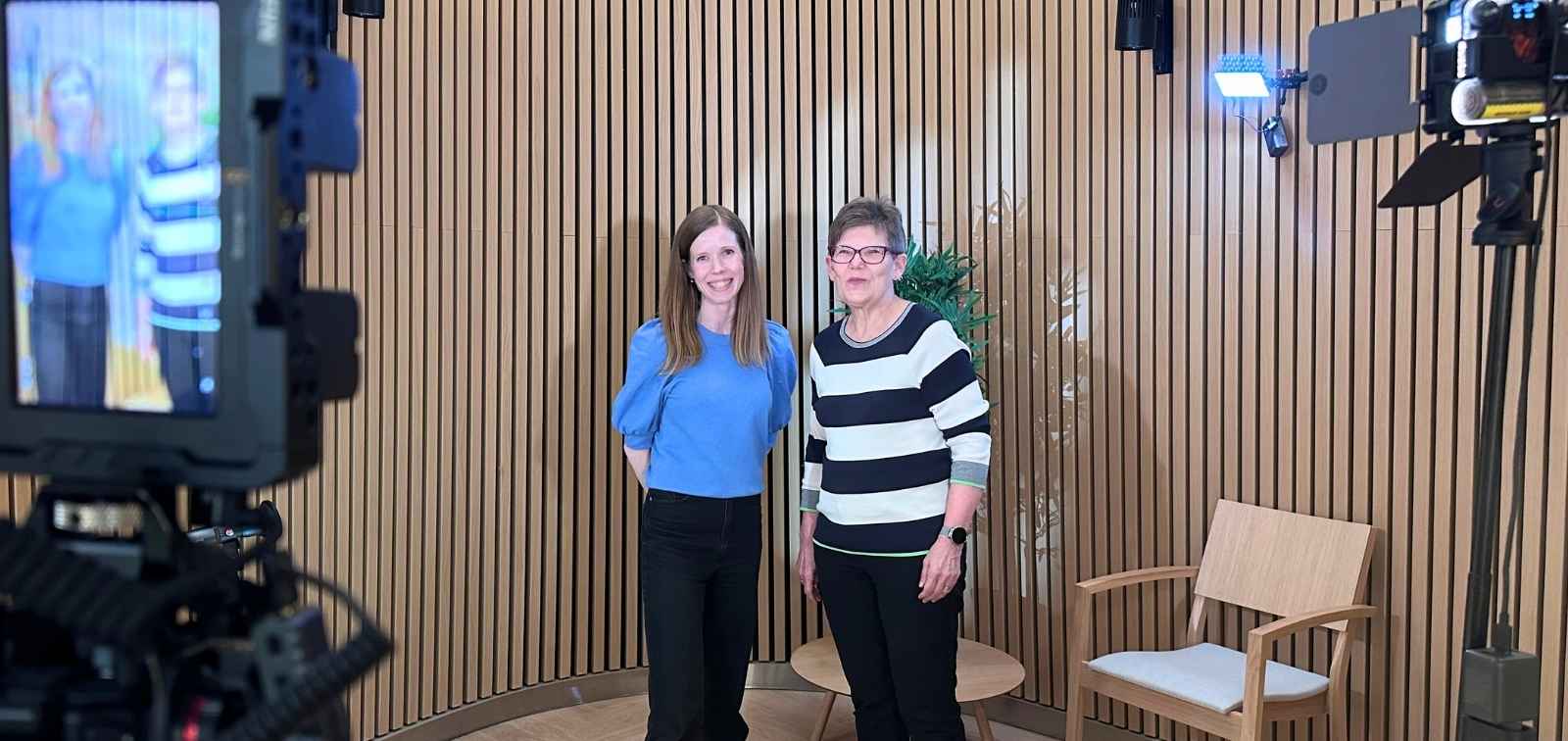
What does life after cancer really mean? In the Nordic countries, survivorship is increasingly seen as much more than medical follow-up. It is about returning to education and work, rebuilding relationships, protecting mental wellbeing and helping young people participate fully in everyday life. By Anna-Elina Rahikainen and Dr Päivi Lähteenmäki.
This perspective shaped the Finnish filming session for the MyCare project at the Siltasairaala (Bridge Hospital) at HUS Helsinki University Hospital, where young adult and childhood cancer survivors, healthcare professionals and international collaborators came together to contribute to the creation of digital resources for childhood cancer survivors and adolescents and young adults (AYAs) across Europe.
Finland offers a distinctive perspective shaped by its strong tradition of multidisciplinary care, patient involvement and long-term follow-up (LTFU).
A Nordic Approach to Survivorship
The Nordic healthcare systems are characterized by publicly funded care, equitable access to treatment, and strong multidisciplinary collaboration.
Alongside monitoring late effects, healthcare professionals recognise the importance of education, employment, relationships, mental wellbeing, participation and social inclusion as essential elements of recovery.
The interviews in Helsinki reflected this holistic approach. Rather than focusing solely on treatment outcomes, the conversations explored how young people rebuild their lives after cancer, adapt to long-term changes and find their place in everyday life.
Young People as Partners
A central feature of the filming session was the active involvement of young people with lived experience of cancer. Most participants were members of the AYA Cancer Patient Advisory Board at HUS Comprehensive Cancer Center, while one childhood cancer survivor from Turku University Hospital (TYKS) also contributed his perspective.
Participants spoke openly about fatigue, returning to education and work, relationships, identity and finding a place in everyday life after cancer. Although every survivorship journey is unique, many described similar experiences: feeling different from peers, adjusting to long-term effects and gradually rebuilding life after treatment. One participant also highlighted the positive role that physical activity had played throughout school years, helping both recovery and social inclusion.
Their contributions will help ensure that the MyCare resources are grounded in real-life experiences and address the concerns that matter most to young people living beyond cancer. This collaborative approach reflects an important shift within survivorship care: recognising that young people themselves hold essential knowledge about the realities of living after cancer.
Clinical Expertise and Digital Long-Term Follow-Up
The filming also included interviews with Finnish experts on survivorship care and long-term follow-up.
Dr Päivi Lähteenmäki, paediatric haematologist-oncologist at Turku University Hospital and Chair of the Finnish National Working Group on Long-Term Follow-Up and Late Effects after Childhood Cancer, discussed late effects, structured follow-up care and lifelong survivorship support.
Anna-Elina Rahikainen, who leads the young adult services at HUS Comprehensive Cancer Center and coordinates the AYA Cancer Patient Advisory Board, focused on return to work, participation, relationships and the long-term process of rebuilding everyday life after cancer.
Finland also brings valuable experience in digital follow-up care. TYKS was the first university hospital in the country to pilot a digital long-term follow-up clinic for childhood, adolescent and young adult cancer survivors. Led by an expert nurse with additional training in integrative brief therapy, the service has highlighted the importance of accessible psychosocial support. The educational resources developed by the e-QuoL project will complement this work by providing reliable information and self-management tools for survivors between clinical contacts.
Strengthening MyCare Through Collaboration
By combining clinical expertise, patient participation and innovative long-term follow-up, Finland contributes a valuable perspective to the MyCare project—one that recognises survivorship as not only living beyond cancer, but living well beyond cancer.

 Schweizerische Eidgenossenschaft