
News
e-QuoL Webinar Insights: Breaking the Silence on Cancer, Maltreatment, and Rights
28/04/2026
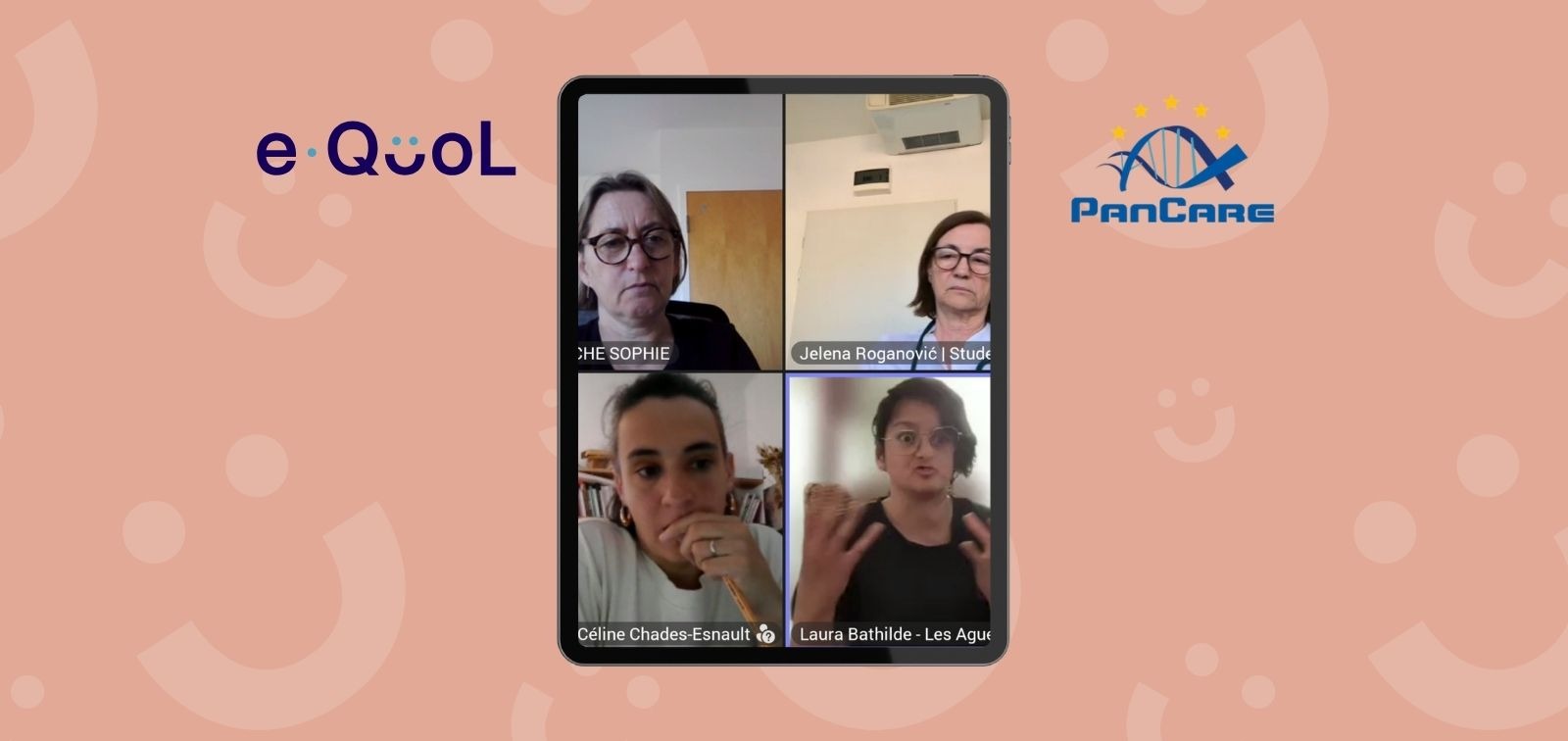
Integrating safeguarding into the heart of pediatric cancer research and treatment.
We often assume that a child undergoing cancer treatment is in the safest possible hands. However, the intense focus on clinical survival can sometimes create a veil of invisibility over another urgent reality: maltreatment. Last April 27, the e-QuoL project hosted a webinar through PanCare to tear down this veil, bringing together clinical, ethical, and patient perspectives to strengthen safeguarding in pediatric oncology.
Jelena Roganovic (Children’s Hospital Zagreb, Croatia) presented the e-QuoL project and its mission to advance equity in quality of life for children, adolescents, and young adult cancer survivors through multidisciplinary and participatory approach. She emphasized the importance of addressing ethical and social challenges in pediatric oncology and survivorship, particularly the often-overlooked vulnerabilities that may arise during and after treatment. Her key message was that high-quality care must go beyond survival to ensure safety, dignity, and that the voices of young patients are truly heard and respected.
The Paradox of Care
The discussion highlighted a profound challenge for the healthcare community: how to recognise what often remains invisible in the care of children and young people with cancer. Across clinical, ethical, and patient perspectives, one message was clear: some forms of vulnerability and maltreatment are still incredibly difficult to identify and address.
As Sophie Laroche (University Hospital Center of Caen) pointed out during the session, the first and most crucial step is to accept the possibility of this reality. If we do not acknowledge that a child with cancer can also be a victim of abuse, we allow the maltreatment to continue.
Why We Fail to Hear the Child
A key takeaway from the webinar was the concept of “testimonial injustice” in childhood cancer. It is often considered inconceivable that a child suffering from a serious illness could also be abused, which can lead to their voices being dismissed or unheard.
This vulnerability does not end with the medical treatment:
- The Power of Words: Children may not always have the language to express their experiences—and as Laura Bathilde(patient representative from Les Aguerris) shared, some traumas may not even be verbalised until years after the experience.
- Autonomy and the Medicalised Body: A poignant question was raised regarding how we teach children that their body belongs to them when it is subject to constant, daily medical manipulation. This experience of illness and a highly medicalised body can deeply affect self-confidence, future relationships, and the ability to recognise or set boundaries in situations that might otherwise be considered unacceptable.
Towards a New Ethics of Care
The priority for the oncology community is clear: we must create safe spaces, learn to “listen differently,” and improve our ability to support these hidden situations.
As the webinar concluded, a discussion was held on protecting the rights and integrity of young patients as an essential component of quality of life. The project leader Charlotte Demoor-Goldschmidt (Angers University Hospital and Hospital Center of Caen) concluded the discussion by emphasizing that integrating safeguarding into the heart of pediatric care and research ensures that no child’s vulnerability remains hidden behind their diagnosis.

 Schweizerische Eidgenossenschaft