
Resources
Going Back to Move Forward
07/09/2026
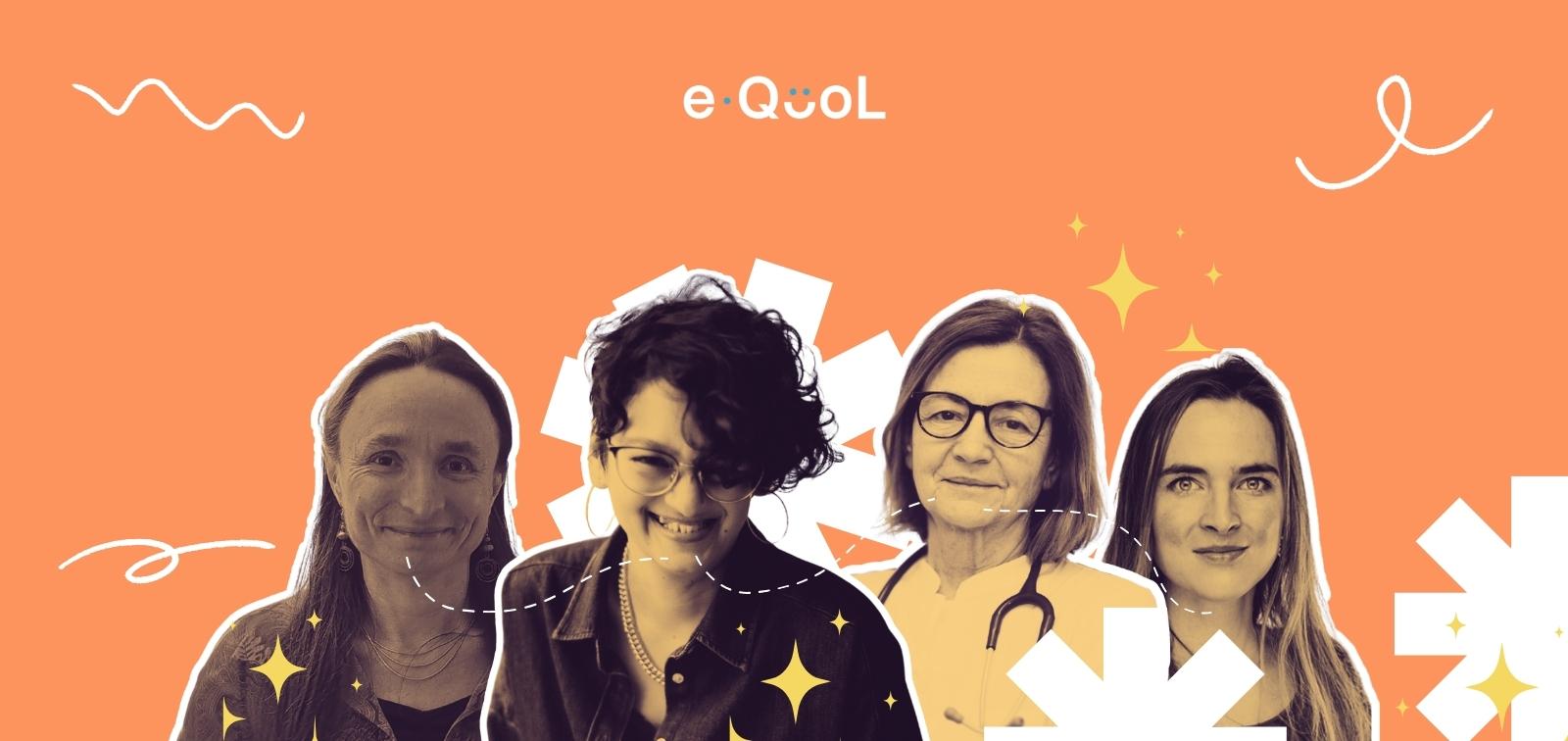
This article is part of the “Healing in Two Voices” series developed within the e-QuoL project, which brings together survivor voices and professional reflections on life after childhood and adolescent cancer. In this series, professional contributions do not aim to add explanations or conclusions. They create spaces for reflection — ethical, psychological, and clinical — opened by the testimonies themselves.
1
Before I turned 15, I had already been through two different cancers.
The first was diagnosed when I was only three months old: acute lymphoblastic leukaemia. The second came later, when I was 13: a bifocal osteosarcoma. Of these two stories, I have no personal memories of the first—only the memories my parents have shared with me.
I know how difficult it can be to attend follow-up appointments. I stopped going myself for nine years. I had been under constant medical supervision for as long as I could remember, moving from paediatric care to adult services. Above all, I wanted to finally enjoy my life without it being punctuated by hospital appointments. Life moves on, you want to turn the page, and you don’t always have the strength to sit once again in an oncology waiting room when you feel you’ve finally left it behind.
Then, in 2025, I had the chance to reconnect with the oncologist who had treated me during that very first cancer. I had no memory of him, but our stories had been connected since I was three months old. Seeing him again allowed me to adapt my long-term follow-up I was already fortunate to have one follow-up dedicated for my osteosarcoma, but not a global one.
We took the time to look back over my medical history. That was when he told me something no one had ever explained before: my two cancers were connected.
For a long time, I carried a silent belief—that my body had failed me twice, and that somewhere, a third cancer was waiting for me. It felt like an unavoidable fate that I never dared to say out loud, but one that lived quietly inside me.
He explained that people who had received the same type of treatment as I had could develop this second type of cancer. It wasn’t common, but it wasn’t rare either. And yet, I was only learning this at the age of 35.
And if it was true for me, then it was true for others. Many people treated for cancer during childhood don’t realise that treatments received years ago may still deserve attention today. Not so that we live in constant worry, but so that we understand our risks and receive the care we need.
And I felt an immense sense of relief. I was no longer alone with this story. Most importantly, I realised that my body had not betrayed me.
This new follow-up programme immediately opened new doors. It gave me access to additional tests that I would never otherwise have had. That’s how nodules were discovered in my thyroid. There was nothing alarming at the time, but they required close monitoring. Without this follow-up, I would never have known they were there. Thanks to it, my healthcare team was able to keep a close watch and, ultimately, decide to remove my thyroid as a preventive measure before it became a more serious concern.
That is exactly why I don’t regret going back. Together with my doctors, we take control of the situation. We monitor things carefully. And, most importantly, we have the opportunity to act before problems have a chance to develop.
Learning to live in my body again after cancer isn’t only about accepting my appearance or making peace with my past. It’s also about accepting that I need to keep looking after my body—not without fear, but with support, and while learning how to live alongside that fear.
The fear of a third cancer hasn’t disappeared, but today it feels proportionate—and that alone has changed everything. I often hear cancer survivors, and those close to them, worrying about a relapse or a second cancer. Many will never experience either. And if it does happen, follow-up cannot prevent it, but it can help detect it early, when there is still time to act. It also helps identify other long-term effects of treatment, which are just as important not to overlook.
So I keep going back.
Not to silence my fear, but to stop letting it make my decisions for me.
Laura, a French CAYACS, Les Aguerris
2
Laura’s story reminds us how difficult it can be to learn, years after treatment, that there is a risk of developing a second cancer. Many survivors tell us they wish they had known earlier, while others feel overwhelmed when this information is shared. There is no perfect time for these conversations, but there is always value in having them with honesty, empathy and respect for each person’s needs.
As healthcare professionals, our role is to help survivors understand their individual level of risk without creating unnecessary fear. Although most survivors will never develop a second cancer, previous treatments may increase the risk for some people. Knowing your level of risk does not necessarily increase anxiety. For many people, understanding what to expect and why follow-up is recommended actually reduces uncertainty, as Laura explained.
If you have questions about your own risk, or if you are unsure which screening or follow-up is recommended for you, don’t hesitate to talk to your healthcare team. Knowing your personal treatment history allows us to recommend follow-up and prevention strategies that are tailored to your individual needs. Together, you can discuss your concerns, understand your options, and make informed decisions about your long-term health.
Dr Charlotte Demoor-Goldschmidt, Survivorship Medical Doctor expert – Radiotherapy oncologist, CHU Angers, CHU Caen, Inserm U 1018, France
3
Laura’s journey reflects the experience of many childhood, adolescent and young adult cancer survivors. After years of treatment and regular clinical visits, some survivors choose to step away from follow-up. Wanting to move on with life is a natural part of recovery, and it is never too late to reconnect with your healthcare team.
Our understanding of the long-term effects of childhood cancer treatment continues to evolve. As new evidence emerges, follow-up recommendations may change, and survivors who were discharged years ago may benefit from reassessment. Long-term follow-up is not only about detecting second cancers. It also helps identify other late effects, review treatment history, discuss family history when relevant, and ensure that care reflects current knowledge.
Equally important is recognising the emotional impact of these conversations. Learning that previous treatment may still influence your health can raise many questions and emotions. Some survivors may even feel that their body has failed them when they experience another health problem or a second cancer. Understanding that some late effects are linked to previous treatments—or, for some people, inherited genetic factors—can help replace self-blame with understanding. Honest and compassionate discussions can help survivors understand their individual level of risk without creating unnecessary fear, turning follow-up into a source of reassurance and support rather than anxiety.
Jelena Roganovic, pediatric oncologist, Zagreb, Croatia
4
Receiving information about your personal risk and the reasons for long-term follow-up can bring mixed emotions. For many survivors, having this information provides clarity and helps them prepare for the future. At the same time, learning about possible late effects or future health risks may feel overwhelming and increase feelings of uncertainty.
If you have questions or concerns, don’t hesitate to discuss them with your healthcare team. Asking questions during consultations can help you better understand your situation and the purpose of your follow-up care. This understanding can help you make informed decisions about your health. If you find these conversations stressful, it may help to bring someone you trust to your appointment.
If difficult emotions or worries persist or become overwhelming, talking with a psychologist or another healthcare professional with experience in cancer survivorship can provide support. You do not have to face these feelings alone.

 Schweizerische Eidgenossenschaft